

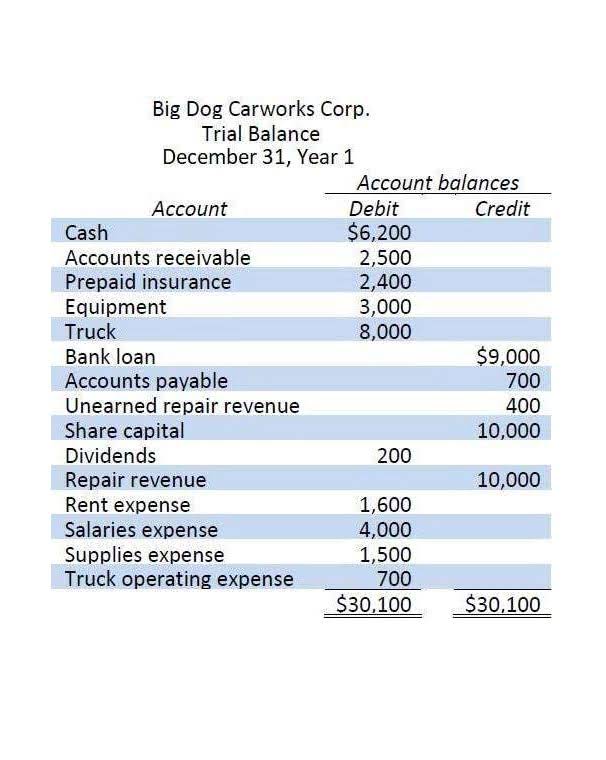
Before accountants post transactions to the general ledger, total debits must equal total credits on the trial balance. The financial statements are automatically created from the general ledger, using standalone accounting software or ERP systems. The person in charge of creating a company’s balance sheet and income statement differs depending on its size and structure. Owners or dedicated bookkeepers often manage this responsibility in small private firms.
Other assets
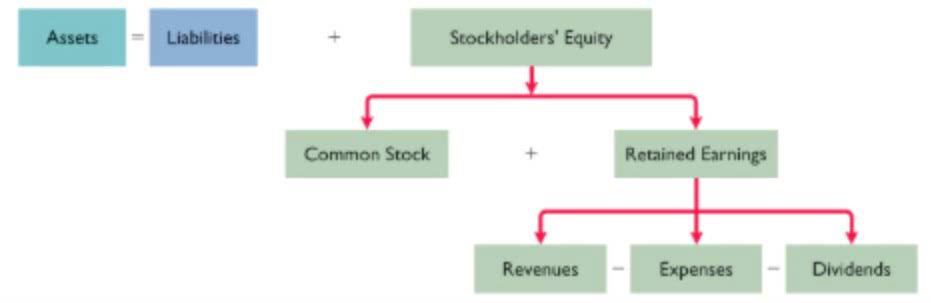
Double-check your calculations to ensure that the total value is accurate. Shareholders’ equity, also known as owner’s equity, is the difference between a business’s assets and liabilities. It represents the portion of the business’s value that belongs to its owners or shareholders. Shareholders’ equity can increase through profits or additional investments the owners what is the last and most important step of creating a balance sheet? make. Including shareholders’ equity in your balance sheet provides an overview of the ownership structure of your business and its net worth.
Importance of Balance Sheets

When it doesn’t you’ll have to verify data and revisit assets, liabilities, and equity categorization. With Volopay you can forget the fear of balance sheets not balancing due to erroneous accounting data. All expenses are automatically tracked, recorded and reconciled in real time.
Step Total up your business’ assets
If there are errors, it is possible that not all accounts have been brought forward from the trial balance. This is quite possible when reporting writing software is being used, and you have mistakenly excluded an account from the report writer. In summary, having unearned revenue a balance sheet is essential for clearly understanding your business’s financial position. It facilitates informed decision-making, compliance with regulations, and the ability to secure financing or investment, all while promoting effective risk management and long-term growth. Once you calculate your assets, liabilities and equity, you need to confirm if your balance sheet, well, balances. It’s an important financial statement that lenders and investors will likely ask to see.
- Creditors use a company’s balance sheet to analyze the company’s ability to pay back the debt.
- The trial balance is comprised of accounts for revenue, expenses, gains, losses, assets, liabilities, and equity.
- What is a balance sheet for business financials, and why is it important for small businesses?
- In this article, we’ve broken down how to prepare one into five steps, to make the process as quick and easy as possible for you.
- Understanding the growth trajectory of a business and spotting trends that support its overall financial position requires the use of this temporal lens.
It includes common stock, retained earnings, and additional paid-in capital. Balance sheets help accountants, investors, creditors and business owners determine the overall financial health of a business. These reports provide a quick snapshot of a business’s finances — typically at quarter-end or year-end. Balance sheets are often used as a guide before making financial decisions for https://www.grupoeurekaconsultores.com/accountant-in-orem-salt-lake-city-ut-squire/ the future. It is prepared for public disclosure, but many companies prepare quarterly financial statements too. A balance sheet might offer valuable insights for business owners, such as the growth or shrinkage of assets or how much cash is available to support new projects.
- The typical naming convention includes the words “Balance Sheet” with your company name and the date for the end of the fiscal year or quarter underneath.
- This step is crucial in accurately reporting the financial position of your business and providing an up-to-date snapshot of its financial health.
- Be sure to include any accrued expenses and deferred tax liabilities, which are easy to overlook.
- Example liabilities include short and long-term debt and accounts payable.