
The allure of high-stakes gambling
High-stakes casino gaming captivates players with the promise of significant financial rewards, creating an environment that is both thrilling and psychologically stimulating. The allure lies in the perceived excitement of winning large sums of money, which can lead individuals to take risks they might avoid in other scenarios. This gambling phenomenon engages the brain’s reward systems, activating neurotransmitters like dopamine, which play a crucial role in feelings of pleasure and motivation. Many players often seek the best online crypto casino to enhance their gaming experience and potentially increase their winnings.

Moreover, high-stakes gaming creates a unique social atmosphere where players can interact with each other, often leading to a sense of community. The thrill of risking large amounts of money can be exhilarating, fostering a certain camaraderie among players and enhancing their overall experience. This social dynamic is compounded by the environment of the casino itself, designed to keep players engaged and immersed in the gaming experience.
The role of cognitive biases
Cognitive biases significantly influence gambling behavior, particularly in high-stakes environments. One common bias is the illusion of control, where players believe they can influence the outcome of a game based on their skills or strategies, even in games of pure chance. This misconception can lead to overconfidence and increased betting, as players feel empowered to chase their losses or double down on perceived winning streaks.
Another cognitive bias prevalent in high-stakes gambling is the gambler’s fallacy, where players mistakenly believe that past outcomes will affect future results. For instance, after a series of losses at a table, a player might feel that a win is due, prompting them to wager more than they typically would. These biases can lead to a cycle of risk-taking and even addiction, as individuals may become trapped in their own distorted perceptions of chance and luck.
Emotion and high-stakes gaming
The emotional experience of high-stakes casino gaming is profound, as players often navigate a rollercoaster of feelings from hope to despair. The highs of winning can evoke intense joy and excitement, while losses may lead to frustration and disappointment. This emotional volatility is a driving factor that keeps players returning to casinos in search of the next big win, often disregarding the psychological toll of their losses.
Additionally, emotions play a critical role in decision-making during high-stakes gaming. Players in a heightened emotional state may make impulsive decisions, betting more aggressively in the heat of the moment. Understanding how emotions affect gambling behavior is essential for both players looking to manage their habits and for researchers studying the psychological underpinnings of gambling addiction.
The impact of environment on behavior
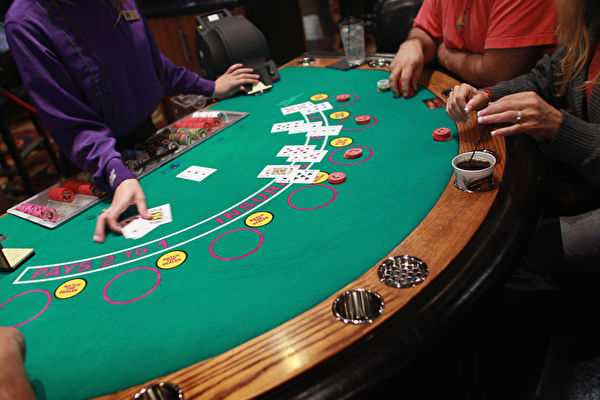
The environment of a casino significantly impacts player behavior and decision-making processes. The design of high-stakes gaming areas often includes dim lighting, loud sounds, and vibrant colors, all aimed at creating an immersive experience. This sensory overload can heighten emotions and alter perceptions, making players more susceptible to riskier behaviors.
Furthermore, the physical layout of a casino encourages prolonged stays. High-stakes areas are often strategically positioned near amenities such as bars and restaurants, which can reinforce the desire to continue playing. This deliberate design choice capitalizes on the psychology of players, as they may lose track of time and money in pursuit of larger payoffs, further entrenching them in a cycle of high-stakes gaming.
Understanding online threats in the gambling world
As high-stakes casino gaming increasingly migrates online, the landscape of potential threats has expanded. Players must be aware of cybersecurity risks that can compromise their personal and financial information. Understanding these threats is vital to ensuring a secure and enjoyable gaming experience. Strong security measures and awareness of suspicious activity are essential for both players and casino operators.
Additionally, while the online gambling industry offers convenience and accessibility, it also requires users to exercise caution. Players should be educated about safe gaming practices, including recognizing the signs of problem gambling and knowing how to protect themselves from online scams. Ensuring a secure platform for high-stakes gaming contributes to a healthier relationship with gambling and an overall positive experience in the digital realm.