
In the morning, you’d wake up with a splitting headache, wondering why you let yourself do it all again. You had hopes for giving up drinking, and in this movie, you’d be disappointed in yourself, exhausted, and hungover. “My hope,” Schmidt says, “is that after a while the behavioral changes are https://ecosoberhouse.com/ such that the medication isn’t going to be necessary.” One drawback is that you must take two pills three times every day.
Learn how to stop your alcohol cravings
Alcohol alters the brain’s chemistry, leading to a powerful association between drinking and feelings of pleasure or relief from stress. “For psychologists, many of them are addiction-informed, and in their advertisements or on their websites they will mention that specifically,” Dr. Lembke said. To get started, try searching a directory like Psychology Today or Inclusive Therapists, both of which have filters you can use to look for specific support around substance use. Fruits and vegetables are excellent sources of vitamins, minerals, and dietary fiber, which can help curb alcohol cravings by maintaining stable blood sugar levels and supporting overall health. Dark chocolate is rich in antioxidants and can marijuana addiction satisfy sweet cravings, which often arise when a person stops drinking alcohol.
The Science Behind Recovery Dreams
Therapy, medication, and recovery programs can all have benefit for reducing and preventing cravings. Combining medication with therapy and other interventions can prove even more helpful than medication alone. Maybe you experience your strongest cravings when you feel anxious or stressed or find yourself facing conflict with someone you care about. Taking time to explore the specific people, places, and situations that cue your urge to drink can make a big difference. But even when you don’t know anyone else trying to make a similar change, friends and loved ones can still offer emotional support. Internal triggerstypically involve memories, thoughts, emotions, or physical sensations that prompt the urge to drink.
Start Your Recovery Today
In particular, she’s committed to helping decrease stigma around mental health issues. Maybe you’ve never been interested in logging your innermost thoughts, but journaling can be a great tool to track your feelings as you work on quitting alcohol. Turner notes the importance of bringing along a trusted support person when attending events that involve alcohol. It’s often easier to turn down a drink when you don’t have to do it alone. It’s possible to develop a better relationship with alcohol and make more mindful, informed choices about drinking without total sobriety. Knowing why you drink is essential, says Cyndi Turner, LCSW, LSATP, MAC, a Virginia therapist specializing in addiction treatment and alcohol moderation.
- You don’t have to leave the house to get support from other people who understand and respect what you’re trying to do.
- You might also hold onto a nonalcoholic drink instead, ask a friend to support you in difficult situations or simply exit early if temptation gets too strong, the NIAAA suggests.
- He has also taken mixed stances on addiction treatment in the past.
- Medical experts now use the term “alcohol use disorder” rather than “alcohol abuse” to address the concern of excessive drinking.
- For more ideas on how to build a strong sobriety plan, read this article on the importance of staying motivated to quit drinking.
- You can also learn about the options for in-patient recovery in this article.
- Individuals regain control over their environment and minimize triggers that tempt them to drink by distancing themselves from alcohol.
Get professional help if your cravings are due to withdrawal
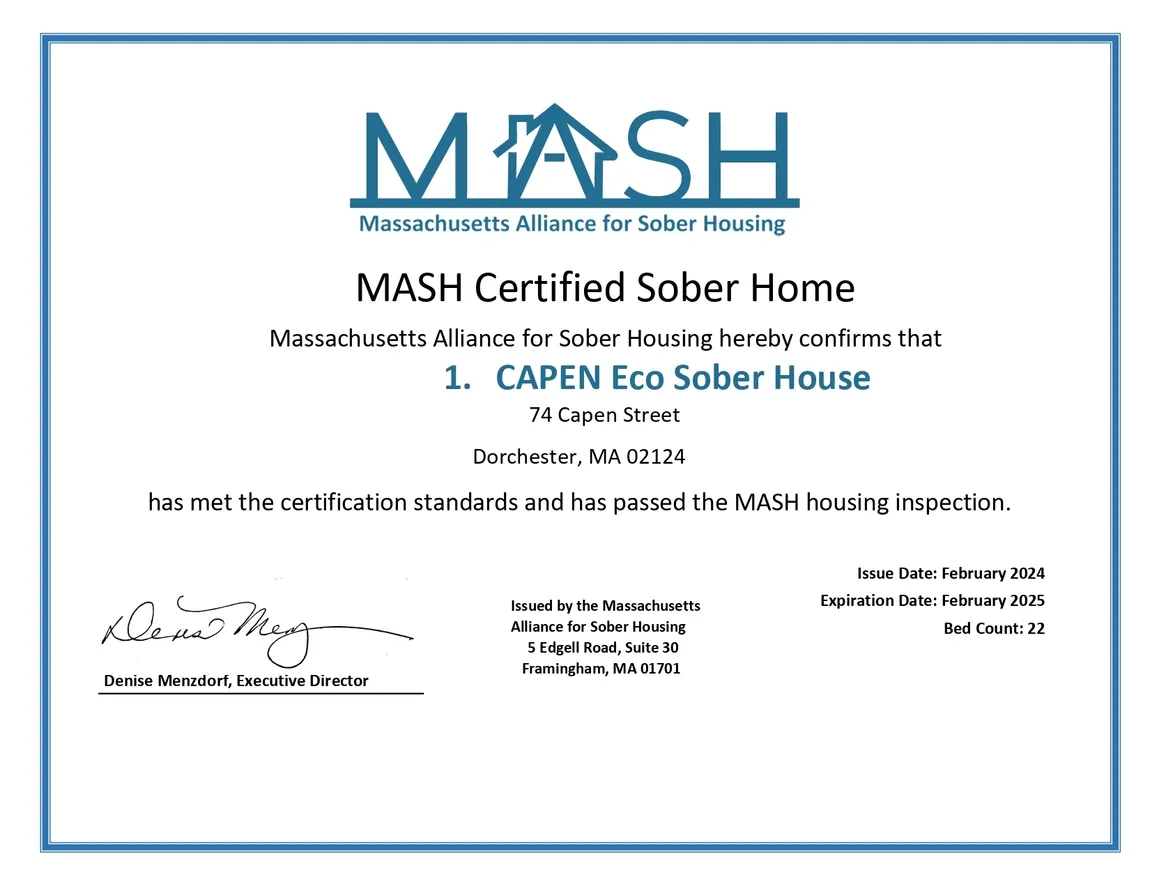
If you’re frequently in places or around people who encourage drinking, it can be much harder to resist the urge. This could mean avoiding certain social gatherings where alcohol will be present or creating a home environment that supports your sobriety. If you’ve ever struggled with cravings for alcohol, you’re not alone. It’s a common experience for people in recovery, but the good news is that cravings don’t last forever, and there are effective strategies to manage them.
- Maybe you don’t think you depend on alcohol exactly, but you still wonder whether you might be drinking too much.
- On the other hand, substitution techniques involve replacing the craving or addictive behavior with a healthier alternative.
- Certain antidepressants also show promise for helping reduce drinking when you live with depression.
- For some people, it’s best to get professional help when creating your reduction plan.
Begin your journey to recovery.
Alcohol cravings can be difficult to manage alone, and there’s no shame in needing a little extra support. You might notice stressful or tense situations tend to fuel cravings more often than not. Even 10 minutes catching up on recent news and sharing stories from your daily life can offer enough of a distraction that the craving passes, almost before you know it. “A typical craving might last for 3 to 5 minutes,” notes Christina Hanks, senior recovery coach and care team manager at Tempest. “Alcohol cravings can be very intense, especially in early recovery,” explains Ruby Mehta, licensed clinical social worker and director of clinical operations for digital recovery platform Tempest.
Will MAHA add alcohol to its list of health foes?
Alcohol cravings are a consequence of alcohol’s interaction with your brain chemistry. So, if you find yourself craving a glass of wine after work, but don’t feel you have a problem otherwise, this post is for you as well. The fiber-rich, complex carbohydrates in whole-grain breads and foods like brown rice, quinoa, barley, and farro are digested more slowly, which help keep blood sugar levels steady. This is key to keeping cravings under control, especially when your body is used to using alcohol as a quick form of fuel. Understanding and recognizing these factors will help you reduce or manage cravings more effectively. Whether you want to ditch alcohol completely or reduce your consumption, there’s no better time than now to crush those Dry January goals.
- “Just get a sparkling water, put a lime in it, and have fun,” he says.
- At Ria, we offer weekly meetings with certified counselors to help members stay on track and build skills for long-term change.
- When you feel a craving coming on, stop and take several slow, deep breaths.
- The NIAAA also offers pointers about resources for low- and no-cost treatment and support options, like getting in touch with your state’s agency for substance abuse help.
- Over time, many people find their cravings easier to control and reduce in strength.
- The goal is to shift your focus away from the craving and onto something else.
Professionals can help in developing comprehensive treatment plans that includes a combination of therapeutic approaches, lifestyle adjustments, and possibly medications. Whether you experience occasional drinking urges, or find yourself craving alcohol every day, Ria Health can help. We support everyone from social drinkers who would like more control, to people who drink heavily and daily. You don’t need to identify as an alcoholic or put your life on hold to get help with alcohol cravings.
Changing your lifestyle helps break free from alcohol dependence and build long-term sobriety. This step consists of altering daily routines, distancing from negative influences, and embracing activities that support a healthier life, such as exercise, nutritious eating, and new hobbies. Begin by researching alcohol’s short-term and long-term effects, such as liver damage, cardiovascular disease, mental health issues, and social disruption.
Learn how alcohol affects your body
If you’ve recently quit drinking, you may also be experiencing post-acute withdrawal syndrome (PAWS). This is very common in alcohol recovery, and happens after the most severe symptoms of physical withdrawal have ended. Some small clinical studies have shown it can reduce alcohol cravings and alcohol withdrawal symptoms. Along with medication and other treatment support, a range of alternative therapies may be effective in lessening alcohol cravings and other withdrawal symptoms. In addition to reducing daily drinking, naltrexone has been shown to reduce alcohol cravings as a measurable symptom (3). Both alcohol and ultra-processed how to stop alcohol cravings foods can become addictive, buzzing through the brain’s pleasure circuitry and driving intense cravings in some people.